The 64-Square Grid That Shaped Shohei Ohtani
By Karthik Nagapuri · 2026-01-04
yestraday, I sat in a room with no devices allowed. Joey stood at the front with a single handout, a grid of 64 squares. He claimed this Japanese goal-setting framework had shaped one of the greatest athletes alive.
He wasn't exaggerating.
Ohtani's Chart
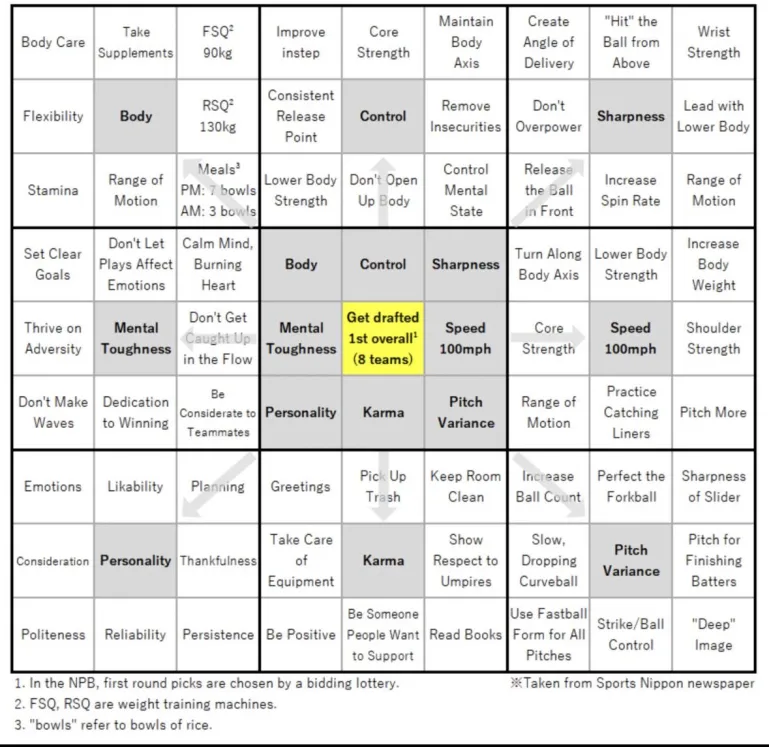
Before Shohei Ohtani was the first player in a century to dominate as both pitcher and hitter, he was a high school student in Japan filling out a Harada chart. At the center: one goal. Get drafted #1 overall into MLB.
Surrounding that center are eight pillars. Things like physical conditioning, mental toughness, character, luck. Filling out the grid are specific actions tied to each pillar. Sixty-four squares total.
Ohtani's pillars weren't just about pitching velocity or batting practice. They included how he carried himself. His rule was to stop idolizing opponents. Play to win.
Joey's Story: The Same Event, Two Narratives
Joey has credibility to teach this. He wrote a best-selling finance book. He built a major stablecoin project. Then hackers took $80 million from it.
He paid users back and shut the project down.
Joey described this as both the worst and best period of his life. Same event. Two true stories. The failure nearly broke him. But taking ownership, making people whole, became the foundation of everything after.
After the hack, Joey drifted. He moved to Miami, got comfortable, and quietly sank into what he later recognized as depression. Not the dramatic kind. The slow kind, where days blur together and you're technically fine but not really building anything.
Then a friend called about something called a "network state." Joey visited. The people there had a rule: choose growth over comfort, every day. He joined.
The Method
Step 1: Define your center goal. One thing. Clear and measurable. Not "be successful" but "close $500K in sales by Q3" or "ship the MVP by March."
Step 2: Identify eight pillars. Skills, character, health, mindset, relationships, environment, luck, karma. Karma meaning: how you treat people when it doesn't benefit you.
Step 3: Fill the edges with actions. Specific, daily, obvious when done. Not "exercise more" but "20 pushups before coffee." Not "network" but "message one person I admire every Sunday."
Here's a blank Harada template to get started.
Identity Over Willpower
The best habits aren't things you do. They're things you are.
"I will go to the gym" requires willpower every time. "I'm someone who trains" just requires showing up as yourself.
This means building a self-model. An honest look at your traits, strengths, weaknesses. First-principles thinking helps here. Question assumptions you've inherited from authority, history, analogy. Not everything you believe about yourself is true.
Three Kinds of Failure
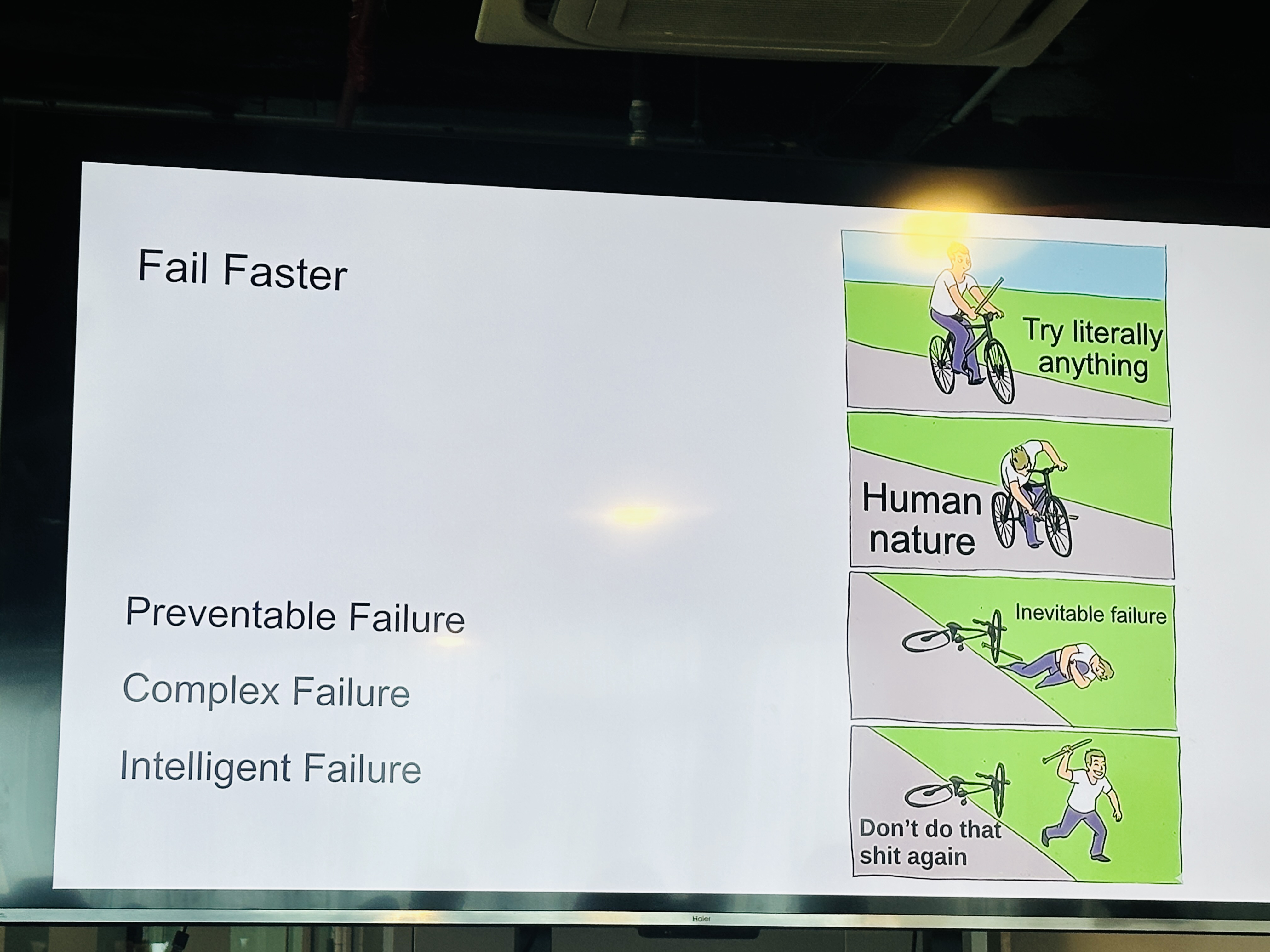
Not all failures teach the same lessons.
Preventable failures come from carelessness. You ignored what you already knew worked. Cut these out.
Complex failures emerge from systems with many moving parts. They're unavoidable in new territory. Learn what you can.
Intelligent failures happen when you test a hypothesis at the edge of your knowledge. A startup that fails after testing a real market is an intelligent failure. A startup that fails because the founders didn't talk to customers is a preventable one.
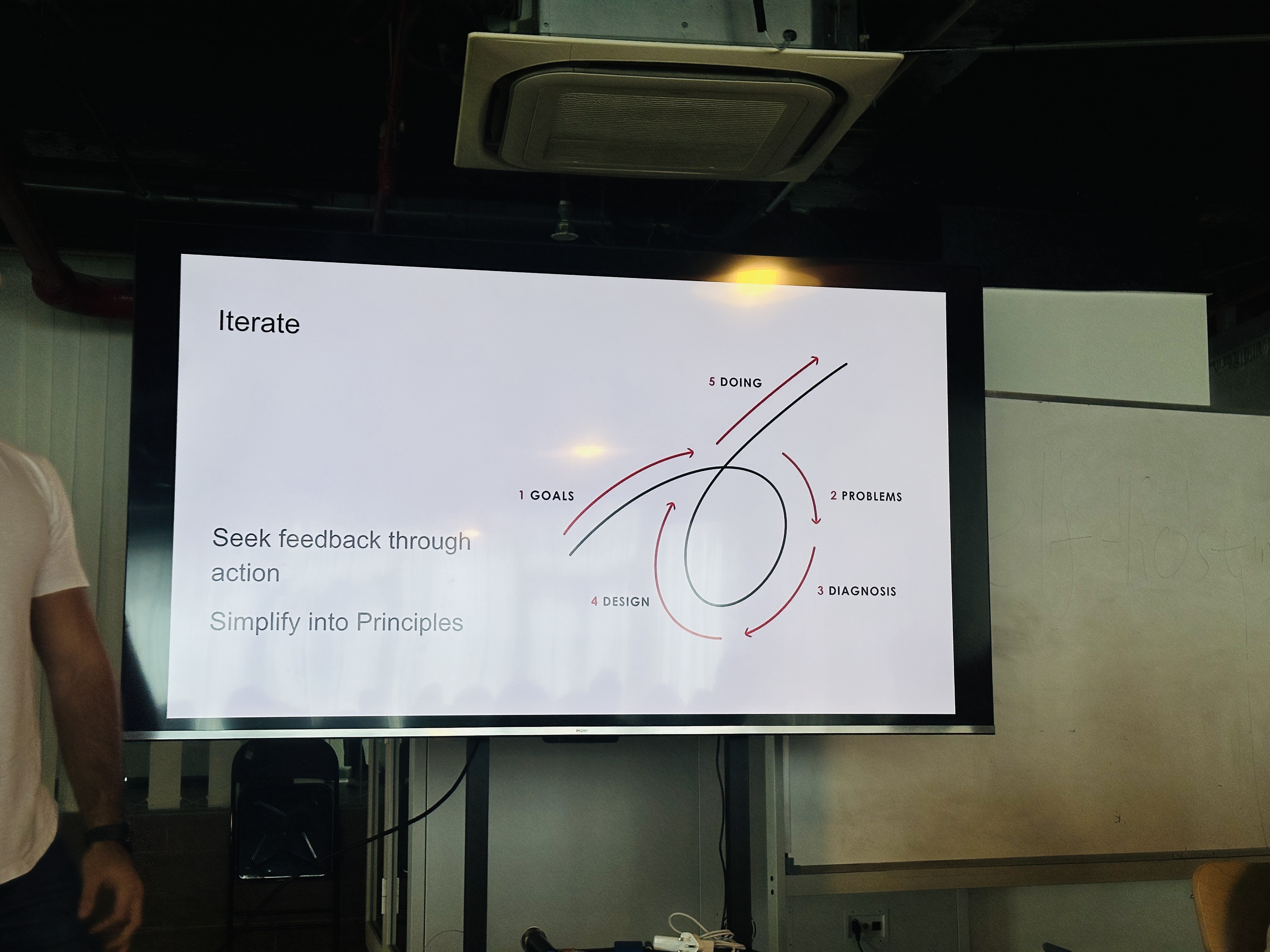
Ray Dalio has a loop for processing any failure: goals, then problems, then diagnosis, then design, then action. Then you repeat.
Compounding
One percent improvements, applied consistently, compound into something unrecognizable. This is true of money. It's even more true of skills, mindset, health, relationships.
Invest in yourself first. For actual money, Joey recommended keeping it boring. Broad market index, some Bitcoin, some gold. Warren Buffett's famous bet proved a passive S&P 500 fund beat top hedge fund managers over a decade. You don't need to be clever. You need to be consistent.
Comfort
The Miami story kept coming back.
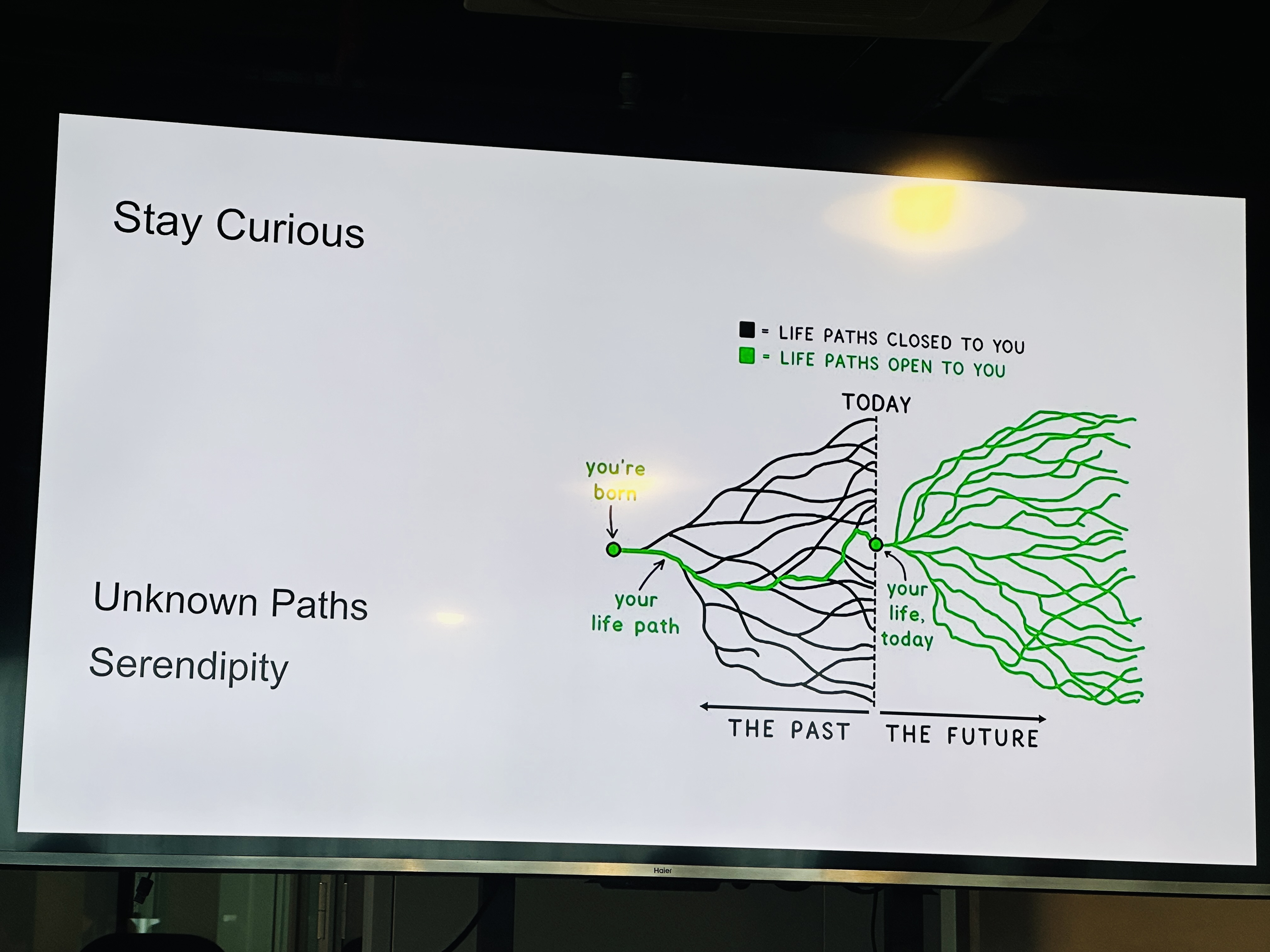
Joey wasn't doing anything wrong there. He just wasn't growing. And the absence of growth, stretched over months, became its own crisis.
The network state he joined is building toward a million people. Ambitious. But the daily culture is simpler: surround yourself with people who are building. Put yourself in rooms where high agency is normal. Your environment shapes your baseline.
The Chart
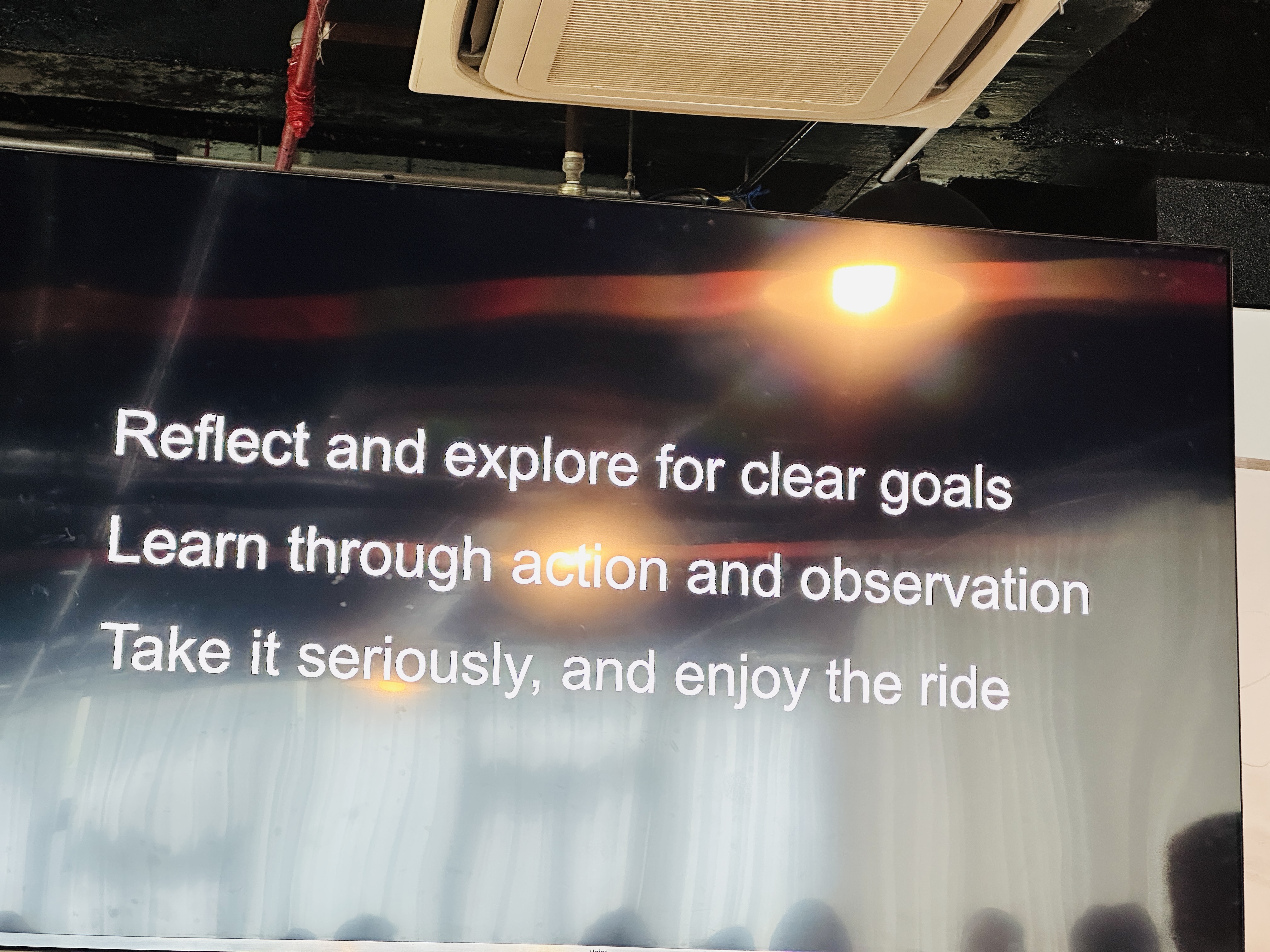
Fill out your own. One goal in the center. Eight pillars around it. Specific actions at the edges.
Revisit it. Refine. Simplify. Cut what isn't working.
Growth isn't a single decision. It's the same decision, made daily, to pick the harder path when the easier one is available. Ohtani made that decision at 16. Joey made it after losing $80 million.
The chart doesn't give you discipline. It gives you clarity about what discipline is for.